
We have watched the online gaming landscape in Canada shift dramatically over the last few years, and one trend stands out clearly: players are moving away from bulky downloads and embracing the speed of browser casino games. This method lets you jump straight into the action without installing software on your hard drive, clearing up space and keeping your desktop clean. For anyone who values convenience and cross-device flexibility, understanding how no-download play works is the first step toward a more fluid, safer, and more responsive gaming session. At Drakaris Casino, we’ve built the entire platform around this instant-access philosophy, so the promise of quick play never compromises of graphic quality or game variety. The technology behind it is more complex than many realize, and we aim to guide you through every layer.
What Precisely Determines a Browser Casino Game
A browser casino game functions straight inside your web browser using HTML5, without any dedicated downloadable client necessary. Unlike legacy software that leaned on Adobe Flash or platform-specific executables, modern instant-play titles display graphics, sound, and complex mathematical models through your browser’s engine. We consider this as a fundamental shift: the game logic runs securely on a remote server while your device processes only the visual display and input commands. That architecture pushes the heavy computing off-site, which is why a mid-range laptop can run a feature-rich slot with dozens of paylines without a struggle. The key distinction: nothing permanent writes itself to your local storage outside of small cache files that accelerate repeat visits. Enter the address into Chrome, Safari, Firefox, or Edge, authenticate, and you’re gaming in seconds.
The real innovation exists in the cross-platform compatibility that HTML5 guarantees. Developers build a single codebase that automatically scales to different screen sizes and operating systems, keeping vector graphics crisp whether you’re on a Windows desktop, a MacBook, or a Linux machine. We consider this a consumer victory because it stops the era of platform-exclusive gaming libraries. Historically, players who spent money on a Mac were often barred of top-tier poker rooms or slot libraries that only shipped Windows clients. Browser-based delivery eliminates that friction completely. For you, that represents a consistent experience where your account balance, loyalty progress, and preferred bet sizes track you automatically, living entirely on the server side rather than being linked to one physical machine.
Security Benefits of No-Download Play
Choosing browser-only play has a strong security case: digital hygiene and threat reduction. Every piece of installed software introduces a risk surface. Downloadable executables from unverified sources can be swapped for malicious clones by shady distribution sites. Working entirely inside a modern browser’s sandboxed environment drastically limits a bad actor’s ability to penetrate your file system or capture keystrokes. At Drakaris Casino, we enforce an HTTPS connection with TLS encryption on every page, forming a shielded tunnel that blocks man-in-the-middle attacks on open Wi-Fi. This maintains your login details and financial transactions encrypted and unreadable to anyone monitoring packets at a coffee shop or airport lounge.
Browser-based platforms also profit from the auto-updating nature of Chrome and Firefox. When a zero-day vulnerability hits a browser engine, Google and Mozilla usually patch it within hours, and the fix deploys silently without any requirement for a new casino installer. A native Windows client, on the other hand, might go unpatched for months while a player dismisses update prompts, leaving a hole in their defenses. We also enforce strict server-side RNG verification for every instant-play title, so the game outcome never reaches your local machine. That renders client-side memory manipulation tools pointless; the authoritative result is generated, logged, and signed on secure hardware far from any local influence.
Payment Integration and In-Browser Wallet Control
Handling real-money transactions in a browser demands a careful mix of speed and tight financial safeguards. Our cashier section functions on encrypted pages that connect directly to payment gateways like Interac, major credit card processors, and digital wallets widely used in Canada. We avoid storing your raw banking credentials locally, so each deposit employs a token-based authentication that confirms the transaction without exposing your full account number to third-party server logs. Browser autofill can speed up repeat deposits, but we recommend entering your CVV manually each time as an extra security layer. Once you save a preferred method, the deposit flow seldom requires more than two clicks, and most transactions appear instantly in your balance, so you can go from funding to playing in under a minute.
Requesting withdrawals via instant play requires a one-time ID verification that you finish by uploading documents through a secure browser portal. Canadian anti-money laundering rules require this step, and it usually wraps up within a business day. Once approved, payouts to e-wallets often come through within hours, while bank transfers and card refunds match the standard Canadian interbank clearing timeline of three to five business days. We keep an easy-to-access transaction history right in the browser dashboard, filterable by date, method, or status, so you can track every loonie. Not leaving traces in hidden temp folders on your PC is an underrated privacy perk, especially on a shared family computer.
Graphics and Myths About Performance
A persistent misconception says browser games sacrifice visual quality against downloads, but the technical reality has flipped. WebGL and its successor WebGPU offer hardware-accelerated 3D rendering directly inside the browser canvas, hitting your discrete graphics card as thoroughly as a native app. We deliver high-definition assets that go head-to-head with console-quality animation: real-time lighting effects, reflective metallic reel surfaces, and atmospheric depth-of-field that blurs the background during big wins. Today’s compression algorithms, especially the newer codecs, remove redundant data without visible artifacts, so the panorama behind a live dealer table appears crisp and immersive rather than pixelated.
Frame rate stability frequently outperforms downloadable clients because the browser’s rendering pipeline has been optimized for years by trillion-dollar companies. Safari on an iPad, for instance, emphasizes touch response latency at the OS level, giving browser-based live blackjack a fluidity that a generic Windows port can’t match. We recommend enabling hardware acceleration in your browser settings. That toggle offloads complex matrix calculations to the GPU instead of processing them on the CPU. This one setting can convert a stuttering roulette wheel into a velvet-smooth spin. In our tests, a modern laptop with integrated Intel Iris graphics regularly reaches a solid 60 frames per second on cinematic slots using a clean Chrome session.
Accountable Gambling Tools In the Browser Environment
A well-designed browser casino embeds player protection straight into the account dashboard, rather than hiding them behind downloadable add-ons or support tickets. We present adjustable deposit limits you can set each day, weekly, or monthly. Reducing the limit takes effect immediately; upping it triggers a cooling-off reflection period to discourage impulse decisions. Reality check pop-ups, configurable to appear at intervals you choose, cover the game window with a clear summary of time spent and net session position. These reminders break the autopilot trance that can set in during long sessions, and they require an active click to dismiss, guaranteeing you consciously register the time passing.
Self-exclusion and timeout tools sit clearly in the browser settings panel, letting you lock yourself out temporarily or permanently with a single form. Because the restriction applies at the account level on remote servers, it covers you whether you try to log in from a different browser, device, or even a different province. We also link to independent Canadian problem gambling resources and self-assessment questionnaires you can open mid-session without losing your place. The always-on nature of a browser platform makes these controls especially critical, since immediate access can sometimes fuel hasty decisions. We think straightforward, simple access to limits turns the browser from a risk factor into a guardrail.
How Instant-Play Loading Mechanisms Truly Work

As you select a game tile, your browser initiates a secure handshake with the casino’s content delivery network, a geographically distributed group of servers designed to minimize latency. In place of pulling the full multi-gigabyte game file at once, the system loads assets progressively, focusing on the spin interface and critical audio cues so you can start playing right away. We’ve developed the platform to cache just the game’s shell locally, so the next time you open that title, it starts almost instantly. This process hinges on compressed texture packages and efficient memory management inside the browser tab. If you did watch the network traffic, you’d observe that the game never ceases fetching extra assets as you play; it grabs bonus round animations or rarely seen symbols in the background while your current spin completes.
The majority of modern browser games use a technique called lazy loading for features not needed right away. Soundtracks for free-spin rounds and complex 3D particle effects for jackpot celebrations stay dormant until the game logic initiates them. This approach maintains RAM usage low, especially useful for Canadian players multitasking with several tabs open. We know internet stability differs across the country, from fibre connections in downtown Toronto to satellite links in rural areas. So the streaming protocol adjusts bitrate on the fly, trading a bit of animation smoothness to avoid a complete freeze. If your connection fails momentarily during a spin, the server retains the bet instruction and finishes the outcome independently, then presents the result the instant connectivity is restored.
Mobile-First Design and Touch-First Design
Handheld devices and slates have become the main gaming platform for a significant chunk of the Canadian market, and browser casinos now regard touch as a primary input method, not an add-on. We craft the layout with bigger tap areas, inertia scrolling, and gesture controls that feel intuitive on iOS and Android. A web-based slot can differentiate a short tap to spin from a swipe to browse the paytable, without clunky on-screen joysticks or scaling tricks. No app store gatekeeping means no geographically blocked downloads and no oversized updates that eat up your data plan before you can even access the site. Go to the site, authenticate, and your complete gaming account loads on the mobile display with full functionality.
Display rotation and adaptive button placement take place automatically through CSS media rules embedded in the game structure. Rotate your handset from upright to horizontal, and a interactive blackjack table reflows immediately so the chip section and decision buttons are positioned within easy thumb access. It could appear minor, but it demonstrates thorough usability testing to cut errant touches during important games. We have dedicated a significant effort into energy conservation: frame rates are limited when the game senses idle periods, avoiding wasted processor cycles from draining your power. If you take an incoming call or move to a messaging app, the game session usually keeps a buffer time, allowing you return to the same game without logging in again, a nuanced feature that respects the rhythm of handheld multitasking.
Frequent Technical Challenges and Their Straightforward Fixes
Sometimes a browser game is slow to load or won’t start, and the cause is usually cache bloat or a browser extension interfering with scripts. We suggest deleting cached images and files from the past month, a 30-second job in privacy settings that releases memory without erasing saved passwords. Ad-blockers and script-blocking extensions, useful for general browsing, can misidentify game logic scripts for trackers and block them. Adding a quick whitelist rule for the casino domain solves that promptly. Another common issue is an outdated graphics driver, which stops WebGL from activating. A free driver update, especially on older Windows laptops with manufacturer-specific GPU utilities, often improves performance from unplayable to flawless.
If you’re on a corporate or campus network, firewall policies might limit non-standard ports used by live streaming. Use a standard HTTPS port in the browser or use a mobile hotspot to see if the issue is network-specific. We also see players with aggressively customized privacy configurations that prevent local storage entirely. A few kilobytes of local storage are essential to remember session identifiers and layout preferences; denying that permission altogether puts the game into a crippled state. Resetting privacy settings to a balanced ‘standard’ mode and turning on session cookies brings back full functionality. If a game still flashes or shows corrupted textures, turn hardware acceleration off and back on. That makes the browser to rebuild the render pipeline, clearing most residual graphical glitches in under ten seconds.
The Game Library: Variety Without Boundaries
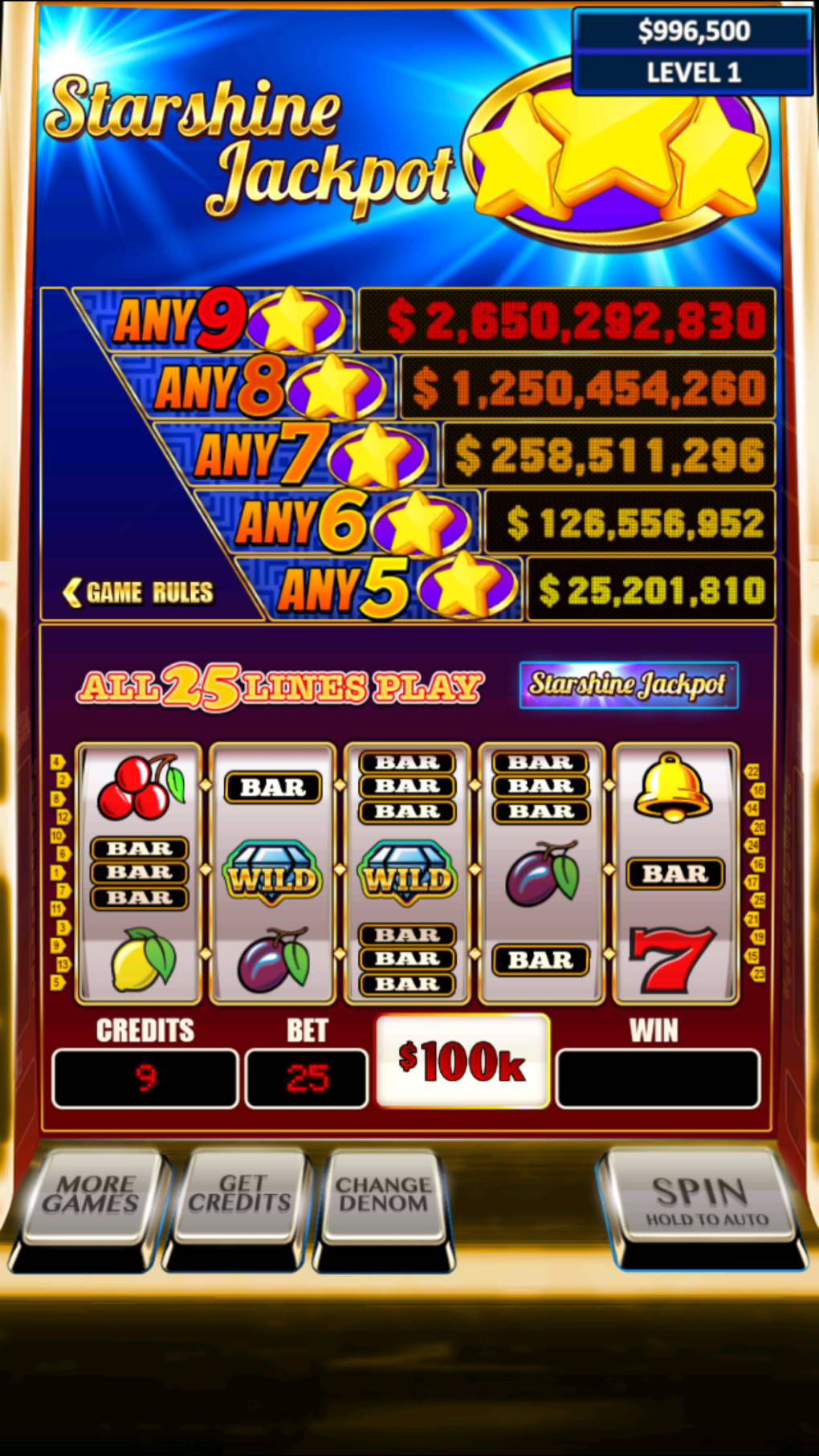
Choosing no-download right away unlocks a studio’s entire collection with no platform limitations. We feature numerous options: volatile video slots, old-school three-reel fruit games, networked progressive jackpots, and many virtual table games. Unlike a downloadable program that requires updates before new releases show up, browser-based lobbies refresh instantly. As soon as a developer debuts a fresh slot series, it appears in your lobby automatically. Search and filter tools let you filter by RTP range, volatility, or theme, conforming instantly to your taste without synchronizing a local library. For Canadian players who enjoy experimenting with various mechanics, this quick access shrinks the difference between curiosity and enjoyment.
Live casino categories are where web browsers excel. We partner with leading studios transmitting from state-of-the-art broadcast centers; they distribute real cards and spin physical roulette wheels while you place bets through a visual interface. Operating these streams through proprietary client software used to lead to major lag problems. The browser-based approach uses WebRTC, the tech used in video calls, to keep the audio and video stream in sync with the betting interface. You can chat with the dealer and other Canadian players in real time, adjust the video size, or change camera views without a black screen or buffering loop. The entire experience feels like a unified broadcast, not a mishmash of add-ons, a factor we see as vital for upholding credibility in deck honesty.
Frequently Asked Questions
Do I need a fast internet connection to access browser casino games smoothly?
A stable broadband connection of 5 Mbps handles most slots and table games well. Live dealer studios recommend 10 Mbps or more to ensure the HD video crisp without buffering. Our platform adapts asset quality on the fly, so slower connections can still load games, though you could experience slightly compressed textures or a longer initial load. If you’re on mobile data, watch usage, because extended live streaming can use up gigabytes.
Can I switch between my laptop and phone without interruption on the same account?
Your account exists entirely on our secure servers, so you can log in from any device with a modern browser and pick up right where you left off. No synchronizing files or manually transferring wallet balances. The interface adapts to fit each screen, and your active bonuses, loyalty points, and game history are available to you instantly using the same login credentials.
Are browser games tested for fairness as downloadable versions?
Yes. The RNG and RTP algorithms run on the server side, identical whether you’re using a browser, mobile app, or download. Independent auditing labs evaluate and certify these server-side systems regularly. You can usually view the fairness certificate and RTP percentages right from the game’s info menu, ensuring mathematically sound randomization for every spin.
What happens if my browser crashes during an active spin or hand?
The outcome is finalized the instant you confirm your bet on the server, so a local browser crash doesn’t cancel the round. When you log back in and reload the game, the software retrieves the pending result from the server logs automatically. Your en.wikipedia.org balance updates right away to reflect the completed bet, and you can resume playing, no need to contact support to sort things out.
Is my personal data safe when I play without downloading anything?
Playing through a browser with a proper HTTPS connection encrypts your data and prevents interception. Our privacy protocols protect uploaded identity documents behind multiple security layers, and we do not sell or share personal info with unauthorized third parties. Regular external penetration testing verifies the integrity of the browser-based cashier and login portals.